
July 15, 2026Wellness
Omega 3- Introduction Type, Sources, Benefits
Are all fats unhealthy?It all depends on the form of fats we are taking. All fats have similar chemical structure like a chain of carbon atoms bonded
What is Omega 3?
Are all fats unhealthy?
It all depends on the form of fats we are taking. All fats have similar chemical structure like a chain of carbon atoms bonded to hydrogen atoms. The distinguishing factor is the length, shape of the carbon chain as well as the number of hydrogen atoms connected.
What are the unhealthy fats?
The worst type of fats is the category of trans fat which is the byproduct of processes like hydrogenation. This process is usually used for conversion of healthy oils into solids preventing them from becoming rancid. Till now there is limited evidence of trans fat having health benefits where there is safe level of consumption.
History of the widespread use of trans fat in cooking
Early in the 20th century, trans fats were mainly found in vegetable shortenings or solid margarines. Slowly food vendors discovered novel ways of using partially hydrogenated vegetable oil, and being cheap it started appearing in everything from all kinds of junk food including French fries, pastries, commercial cookies. Currently trans fats is now banned in US but unfortunately it is used widely in developing countries including India despite high nutritional awareness. The outcome is the dawn of a global pandemic in the form of obesity, a worldwide disease present latently in most people, resulting from accumulation of SFA (Saturated Fatty Acids) in the cells causing lipotoxic damage.
But, not all fats are unhealthy; we have a wide range of good fats which include monounsaturated and polyunsaturated fatty acids. These are healthy fats showcasing multiple physiological advantages. Moreover, in contrast to saturated fatty acids, monounsaturated fatty acids as well as polyunsaturated fatty acids have been reported to neutralize SFA induced cellular damage (Liu et al., 2023).
What are the two major types of polyunsaturated fatty acids?
The 2 major classes of these fatty acids are the omega 3 and omega 6. These are the essential fatty acids not produced by our body and has to be taken externally. On the other hand, we have Omega 9 which is a monounsaturated fatty acid, equally important but they are non essential because our body can produce these fatty acids on our own.
These omega 3 fatty acids are further differentiated into alpha-linolenic acid (ALA), eicosapentaenoic acid (EPA), and docosahexaenoic acid (DHA) where ALA has 18 carbon atoms while EPA + DHA are considered long chain omega 3s as EPA has 20 carbon atoms while DHA has 22.
Nomenclature of fatty acids
Let’s understand where these names come from, diving deep into organic chemistry.
PUFAs consist of long chains of carbon atoms and are usually differentiated from saturated or MUFA (monounsaturated fatty acids) by the presence of 2 or more double bonds between the carbons present in the fatty acid chain. Omega 3 has a C-C double bond and thus often referred to as n-3s while Omega -6 fatty acids have a C-C bond which is 6 carbon atoms away from the methyl end of the fatty acid chain and hence this nomenclature.
The Omega 6: Omega 3 ratio
One such important concept is the omega 6: omega 3 ratio. This ratio refers to the proportion of Omega 6 fatty acids in comparison to omega 3 fatty acids present in certain food items. To provide maximised health benefits, the amount of omega 3 needs to be higher than omega 6. An imbalance in the omega 6: omega 3 ratio promotes the pathogenesis of various disorders like cardiovascular diseases and cancer.
Why this ratio needs to be maintained ?
In scientific language, consumption of high Omega 6 sources increases the rate of conversion of linoleic acid to arachidonic acid resulting in inflammation. On the contrary Omega 3s alone causes improvement in many physiological responses involving the arteries, blood and heart improving cardiovascular health elevating overall health outcomes.
What is the significance of this ratio?
High amounts of PUFA leads to high omega6-omega 3 ratio mainly found in western diets where the ratio is usually 15:1. Moreover, studies show that currently the diet of most people contain omega 6 rich food and the consumption of food rich in omega 3 are lowest, calling for external supplementation through heart health supplements as well as brain health supplements. Omega 6 intake should be reduced as they are pro-inflammatory while omega 3 s are anti-inflammatory and should be incorporated more for a balanced meal.
Sources of Omega 3 fatty acids:
What should we incorporate in our diet to avoid Omega 3 deficiency and related co-morbidities?
Omega 3s are found in many food sources naturally and their daily intake would help us avoid any deficiency disorders which call for EPA DHA supplements if intake is not met.
- The most important and highest amount of omega 3 bearing food source is fish. Fish and other seafood contain high amount of omega 3 compared to other sources like chia and flaxseeds. Moreover, best fish oil comes from cold water fatty fishes like salmon, herring, tuna, mackerel, sardines with good omega 3 content at optimum fish oil dosage.
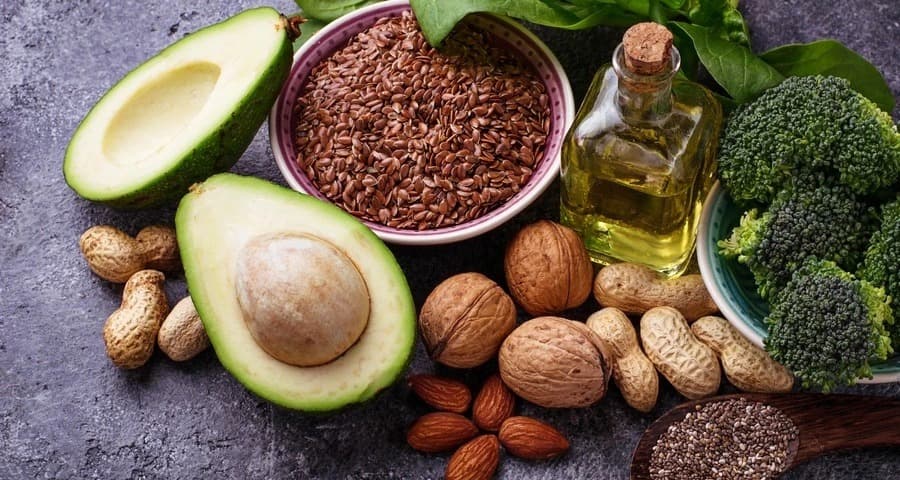
- Apart from fishes, best Omega-3 for heart and brain health comes from nuts as well as seeds like flaxseed, chia seeds, walnuts and their oil including soyabean and canola oil.
- The next category consists of fortified food like certain egg brands, yoghurt, milk, juices, soy-based beverages, or infant formulas which contain the desired amount of omega 3s needed by our body.
- Omega 3 as dietary supplements usually come from fish oil like mackerel, anchovies, cod liver oil as well as algal oil providing a wide range of dosage and forms of the Omega-3 fatty acids.


Omega 3 deficiency:
Omega 3s are essential fatty acids and their deficiency in our diets can lead to chronic physiological changes depriving our body of crucial Omega-3 benefits. Deficiency of Omega 3s causes scaly and rough skin as well as dermatitis. Moreover, the plasma as well as tissue concentrations of DHA decrease during omega 3 deficiency causing more issues. High omega 3 levels are connected to reduced risk of cardiovascular diseases hinting at heart risks due to deficiency. Moreover, if our body lacks omega 3 there are some visible and obvious signs and symptoms which could be summarised as follows:
- Sensitive, dry skin with unusual increase in acne
- Increased skin sensitivity to UV light
- Depression due to lack of neuroprotective and anti-inflammatory effects of Omega 3
- Dry eye syndrome, eye discomfort, disturbances in normal vision
- Osteoarthritis, rheumatoid arthritis, joint pain, stiffness
- Changes in texture, quality, density of hair leading to low hair quality
Related Blogs
Explore MoreWellness
Micronutrients, the invisible nutrient gap
Vitamins and minerals are common but do we know that fall in the category of micronutrients.... What are they?

Wellness
Vitamin K2: Information you need to know
We have all heard about Vitamin D from childhood, but Vitamin K2 is the most underrated one out of the lot, let's find how

Wellness
Alarming stage of Multivitamin deficiency
Vitamin deficiency is currently prevalent all over the world. But why is it alarming? Find How